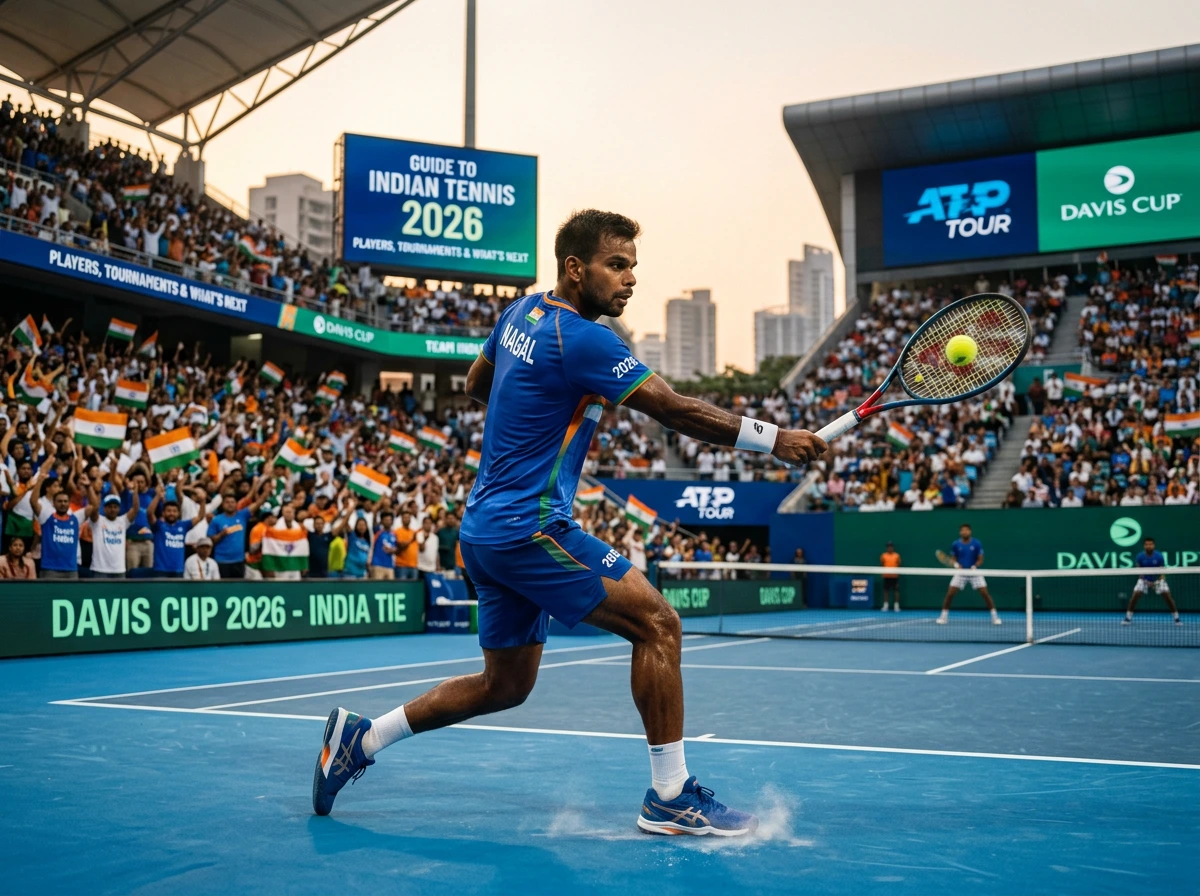
Davis Cup tennis इस खेल में एक अलग ही जगह रखता है। Individual achievement और personal branding के ज़माने में, यह team tennis का सबसे शुद्ध रूप है — जहां खिलाड़ी अपने देश के लिए खेलते हैं, भीड़ एक factor बन जाती है, और team individual से बड़ी हो जाती है। Netherlands के खिलाफ भारत का आगामी मुकाबला Davis Cup calendar के सबसे interesting matchups में से एक है — एक ऐसी टक्कर जो दोनों टीमों की depth, adaptability और हौसले को परखेगी।
दांव पर क्या है
इस मुकाबले का दोनों देशों के लिए बड़ा महत्व है। भारत के लिए, एक मज़बूत Davis Cup performance competition में आगे बढ़ने से कहीं ज़्यादा है — यह दिखाने का मौका है कि भारतीय पुरुष टेनिस में established European tennis nations से compete करने की depth और काबिलियत है। Netherlands के लिए, यह मुकाबला उस competition में momentum बनाने का अवसर है जो ऐतिहासिक रूप से Dutch tennis के लिए अनुकूल रही है जब उनके top players उपलब्ध होते हैं।
Davis Cup format — दो दिनों में चार singles और एक doubles rubber — depth और versatility को reward करता है। जो टीम पूरी तरह एक star player पर टिकी है, वो vulnerable है; जिस टीम में दो competitive singles players और एक मज़बूत doubles जोड़ी है, वो किसी एक के खराब दिन को absorb करके भी जीत सकती है।
भारत की टीम
Sumit Nagal — मुख्य हमलावर
भारत के number one singles player टीम की उम्मीदों का बोझ अपने कंधों पर उठाते हैं, जैसा कि हमारी 2026 की भारतीय टेनिस guide में बताया गया है, और उन्होंने दिखाया है कि वो इसे handle कर सकते हैं। Nagal का Davis Cup record बताता है कि वो team माहौल में खिल उठते हैं — भारत के लिए खेलने का जोश, vocal home support, और सिर्फ अपने लिए नहीं बल्कि teammates के लिए perform करने की extra motivation।
उनका खेल Davis Cup format के लिए बिल्कुल suit करता है। ATP Tour पर जो खतरनाक forehand इतना कारगर है, वो Davis Cup के charged माहौल में और भी effective हो जाता है, जहां opponents को सिर्फ ball नहीं बल्कि शोर, pressure और hostile माहौल से भी जूझना पड़ता है।
Nagal लगभग पक्के तौर पर दोनों singles rubbers खेलेंगे, यानी उन्हें दो tough matches में अपनी physical और mental energy manage करनी होगी। उनकी fitness और conditioning crucial होगी — Davis Cup ties में थकाऊ लड़ाइयां होने की आदत है, खासकर जब match tight हो।
Singles में दूसरा खिलाड़ी
भारत के दूसरे singles player को कम से कम एक rubber जीतने लायक competitive होना होगा। यह ऐतिहासिक रूप से भारत के Davis Cup campaigns की कमज़ोरी रही है — जहां number one अक्सर अपने दोनों singles rubbers जीतने में सक्षम होता है, वहीं number two spot ज़्यादा vulnerable रहा है।
दूसरे singles position का selection form, fitness और surface suitability पर टिकेगा। भारत की पुरुष singles depth बेहतर हुई है, लेकिन international standards से number one और number two के बीच का gap अभी भी काफी बड़ा है।
Doubles — संभावित match-winner
Doubles rubber decisive साबित हो सकता है, जैसा कि Davis Cup ties में अक्सर होता है। भारत के doubles options सालों से Leander Paes की legacy और टीम में experienced doubles players की मौजूदगी से मज़बूत रहे हैं।
एक मज़बूत doubles जोड़ी किसी tie का रंग बदल सकती है। अगर भारत के singles players अपने rubbers बांट लेते हैं, तो doubles जीतना लगभग ज़रूरी हो जाता है — और ऐसी pair का होना जिसमें तालमेल, experience और big matches में perform करने का temperament हो, बेहद valuable है।
Netherlands का खतरा
Dutch tennis ने कई generations में quality players produce किए हैं, और Netherlands आमतौर पर एक competitive Davis Cup टीम उतारता है। उनकी ताकत आमतौर पर उस discipline और tactical intelligence में होती है जो कई sports में Dutch खेल की खासियत है।
Netherlands के top singles players अलग-अलग challenges लेकर आते हैं। Dutch coaching system technical excellence और tactical flexibility पर ज़ोर देता है, ऐसे खिलाड़ी तैयार करता है जो अलग-अलग surfaces और conditions में adapt कर सकते हैं। भारत के खिलाड़ियों को ऐसे opponents के लिए ready रहना होगा जो mid-match अपनी strategy बदल सकते हैं।
Doubles में, Netherlands ऐतिहासिक रूप से competitive रहा है, experienced pairs के साथ जो Davis Cup doubles की dynamics समझती हैं — जहां माहौल, format और stakes regular Tour doubles से बहुत अलग situations बनाते हैं।
Surface और conditions
Surface का चुनाव एक strategic decision है जो Davis Cup tie के नतीजे पर काफी असर डाल सकता है। Host टीम को surface चुनने का advantage मिलता है, और यह decision अक्सर पहला tactical battleground होता है।
अगर भारत host है, तो surface selection Nagal की strengths को maximize और Netherlands के advantages को minimize करने के लिए किया जाएगा। Hard court आमतौर पर भारत की पसंदीदा surface रही है — भारतीय खिलाड़ियों की shot-making के मुताबिक speed और discipline तथा fitness को reward करने वाली consistency के बीच balance देती है।
Conditions — indoor बनाम outdoor, altitude, temperature, humidity — भी भूमिका निभाती हैं। ये factors ball speed, bounce और player endurance को affect कर सकते हैं, और दोनों टीमों के captains इन्हें अपनी strategic planning में शामिल करेंगे।
प्रमुख matchups
Nagal बनाम Netherlands नंबर 1
यह rubber पूरे tie का tone set करेगा। अगर Nagal comfortable जीत लेते हैं, तो Dutch टीम पर तुरंत pressure आता है और भारत के बाकी खिलाड़ियों को confidence मिलता है। अगर Dutch number one Nagal को deep match तक ले जा सकता है या उनसे बेहतर, हरा सकता है, तो tie की dynamics पूरी बदल जाती हैं।
Nagal की अपना खेल impose करने की ability — forehand से rallies पर control, pressure में effective serve, और physical intensity बनाए रखना — एक ऐसे opponent के खिलाफ test होगी जो ठीक इन्हीं हथियारों के लिए तैयार होगा।
दूसरा Singles
दूसरा singles matchup वो जगह है जहां ties अक्सर जीती और हारी जाती हैं। दोनों टीमों के number two players यह जानने का pressure feel करेंगे कि उनका rubber decisive हो सकता है। जो player उस pressure को बेहतर handle करता है — जो expectations के बोझ तले भी perform कर सकता है — वो अपनी टीम को crucial edge देगा।
Doubles का फैसला
अगर पहले दिन के singles rubbers के बाद tie बराबर है, तो दूसरे दिन का doubles rubber decisive moment बन जाता है। माहौल electric होगा, pressure extreme, और जिस टीम ने genuine doubles chemistry बनाने में invest किया है, उसे advantage मिलेगा।
भारत की जीत का रास्ता
भारत को यह tie जीतने के लिए कई चीज़ें सही जगह पर होनी चाहिए:
Nagal को deliver करना होगा। भारत को अपने number one से कम से कम एक, ideally दो singles जीत चाहिए। उनकी consistency और big-match ability इसे realistic expectation बनाती है, लेकिन Davis Cup tennis में कुछ भी guaranteed नहीं है।
दूसरे singles में competitiveness ज़रूरी है। भारत को दूसरा singles rubber जीतना ज़रूरी नहीं है, लेकिन चुने गए player को इतना competitive होना चाहिए कि Dutch number two को deep match तक खींचे और ideally deciding set तक ले जाए।
Doubles ताकत होनी चाहिए, कमज़ोरी नहीं। सही pair और preparation के साथ, भारत doubles rubber जीत सकता है। इसके लिए ऐसे players चाहिए जो एक-दूसरे के खेल के complement हों और जिनमें Davis Cup doubles के लिए सही temperament हो।
भीड़ को factor बनना होगा। Davis Cup में home support का concrete value होता है। Energy, शोर और occasion का एहसास team performance को ऊपर उठा सकता है — लेकिन तभी जब players इसे positively channel करें, इसे extra pressure न बनने दें।
बड़ी तस्वीर
नतीजा चाहे जो भी हो, यह tie भारतीय पुरुष टेनिस के लिए एक important test है। High-stakes format में एक quality European team से compete करना team की depth, character और competitive readiness के बारे में ऐसी सच्चाइयां उजागर करता है जो individual Tour results नहीं कर सकते।
जीत एक बड़ा statement होगी — इस बात का proof कि भारतीय टेनिस खेल के सबसे tough team format में established tennis nations से compete कर सकता है और उन्हें हरा सकता है। एक competitive हार, भले ही disappointing हो, फिर भी valuable experience और progress का proof देगी।
Davis Cup ties ऐसी यादें बनाती हैं जो ज़िंदगी भर रहती हैं। Netherlands के खिलाफ मैदान में उतरने वाले भारतीय खिलाड़ियों के लिए, यह एक career-defining experience होगा — ऐसा match जो सिर्फ results नहीं बल्कि पहचान को भी shape करता है। यही Davis Cup tennis को खास बनाता है, और यही इस tie को देखने लायक बनाता है।